
fucoidan alleviates chemotherapy-induced peripheral neuropathy
Chemotherapy-induced neuralgia can be relieved! Fucoidan easily alleviates pain through a novel anti-inflammatory pathway
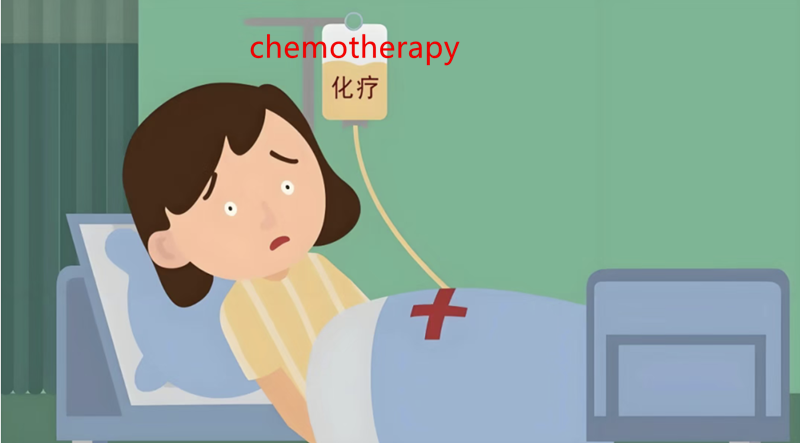
Many cancer patients experience an unbearable torment during chemotherapy – chemotherapy-induced peripheral neuropathy. Numbness, tingling, sensitivity to hot and cold, and unexplained burning pain in the hands and feet not only severely reduce their quality of life but also often force them to interrupt their chemotherapy treatment due to intolerable side effects.
Clinically, there is still a lack of targeted and effective drugs. Traditional pain relief and anti-inflammatory methods have limited effects and significant side effects. However, this authoritative study has brought about a major new discovery: the natural marine active substance fucoidan can effectively inhibit neuroinflammation and relieve chemotherapy-induced neuropathic pain by activating key signaling pathways, providing a brand-new solution for this type of refractory nerve injury.
The culprit behind chemotherapy-induced neuropathic pain: uncontrolled neuroinflammation + neutrophil extracellular trap
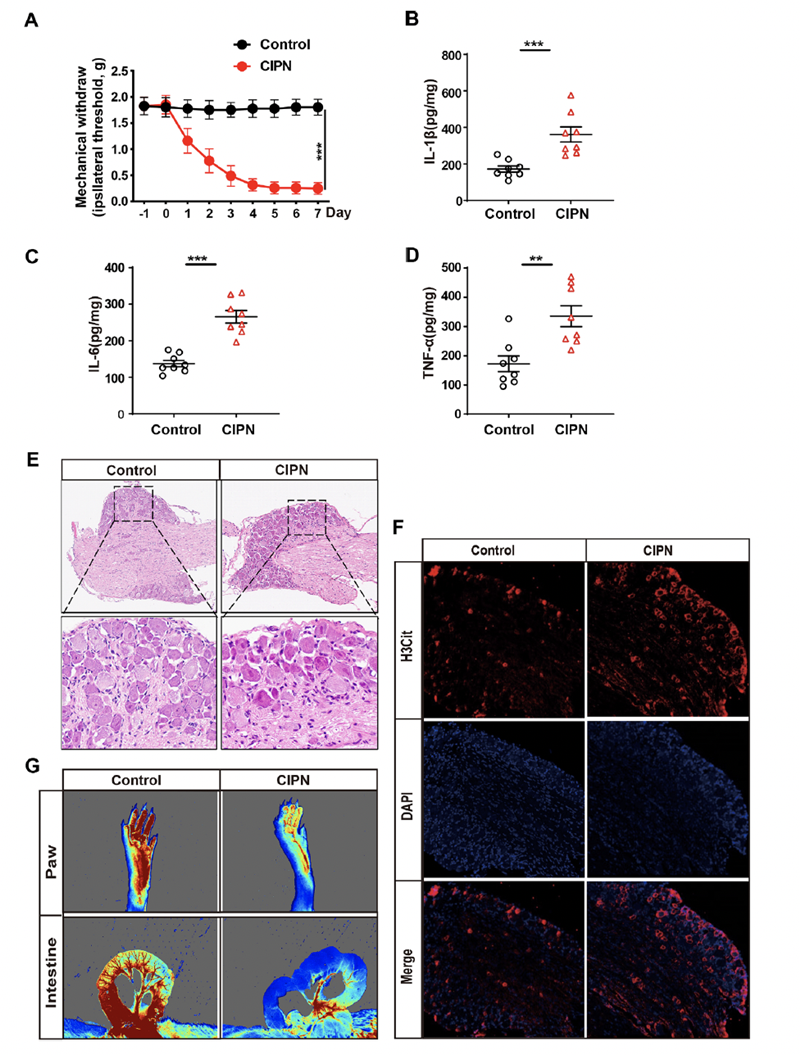
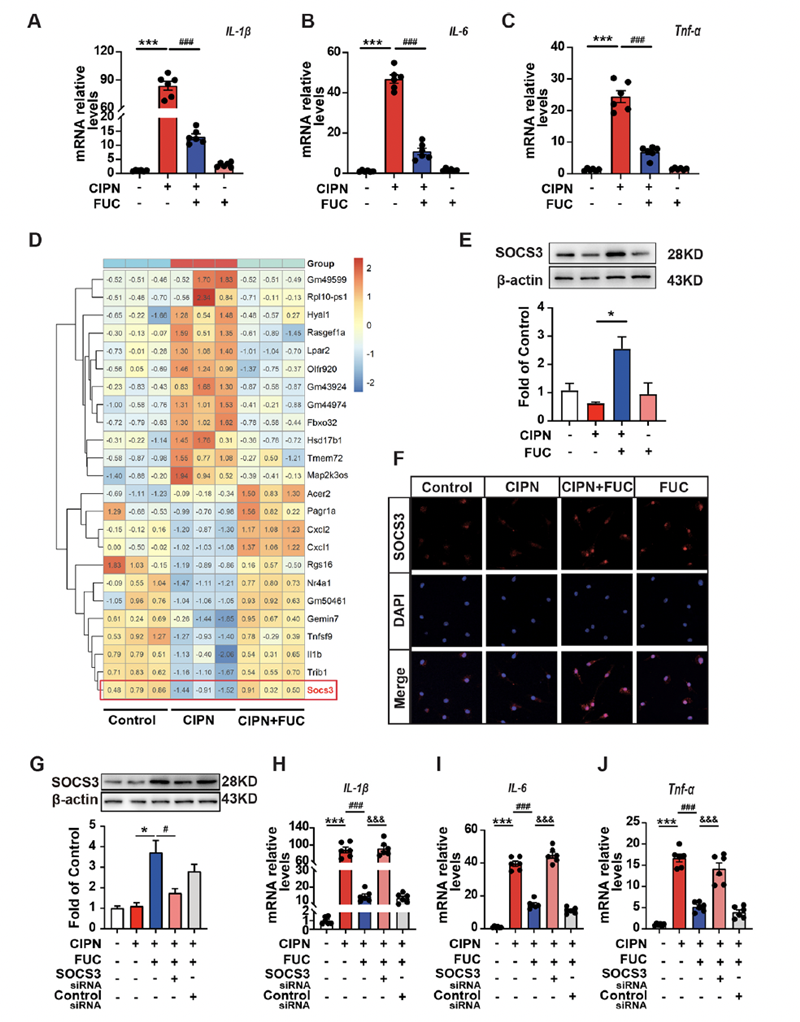
While chemotherapy drugs kill cancer cells, they also inadvertently damage surrounding nerves, continuously triggering a stubborn neuroinflammatory response. Large amounts of pro-inflammatory factors such as IL-1β, IL-6, and TNF-α are released, and inflammatory cells infiltrate nerve tissue in large numbers, disrupting normal nerve structure and microcirculation. More importantly, chemotherapy induces the formation of extracellular neutrophil traps (NETs), leading to a massive accumulation of these traps and further amplifying the inflammatory cascade, causing nerve damage to worsen and creating a vicious cycle of "inflammation – nerve damage – more severe inflammation."
This type of neuroinflammation is not a common transient inflammation, but a chronic low-grade inflammation that is long-lasting and difficult to resolve on its own. It is also the core root cause of intractable neuralgia such as numbness, tingling, and cold sensitivity in the hands and feet. Clinically, there has been a lack of safe intervention methods that can block the inflammation and repair the nerves from the root.
Fucoidan: Activates natural anti-inflammatory pathways, ending neuroinflammation at its root
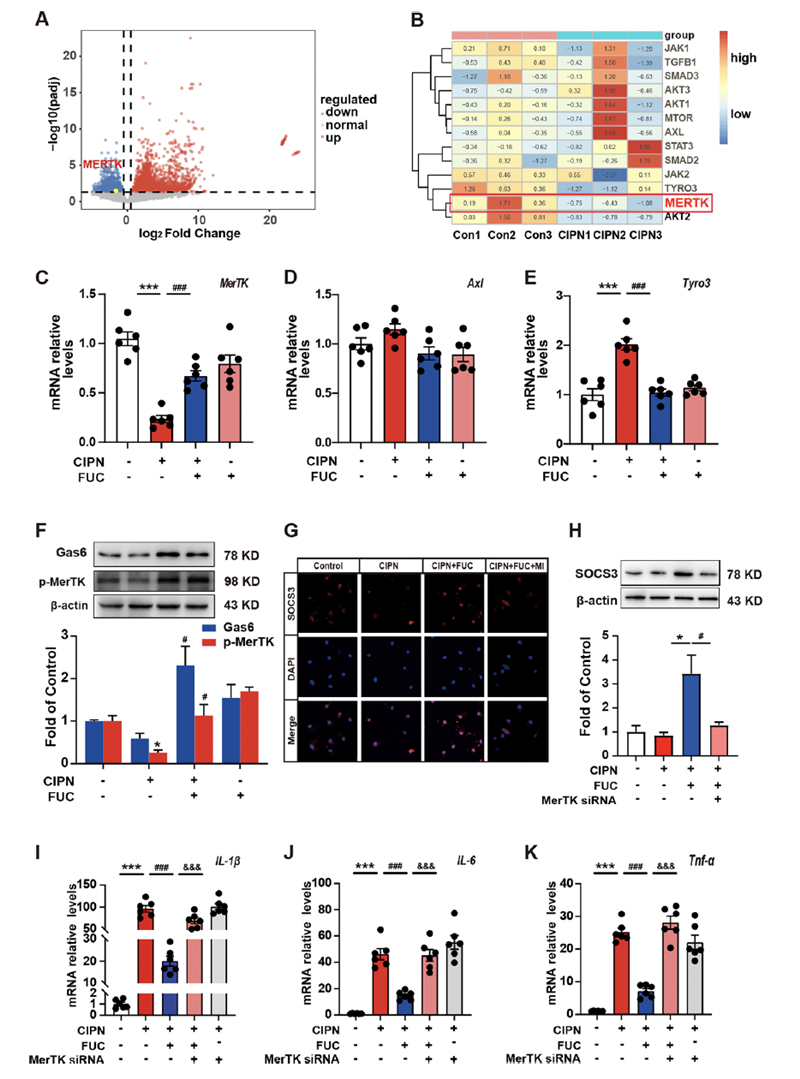
Studies have confirmed that fucoidan possesses a powerful and unique endogenous anti-inflammatory regulatory capacity. Instead of simply reducing inflammation, it precisely activates the Gas6/MerTK core signaling pathway and upregulates SOCS3, a key factor in the negative regulation of inflammation, thus applying an emergency brake on neuroinflammation at the molecular level.
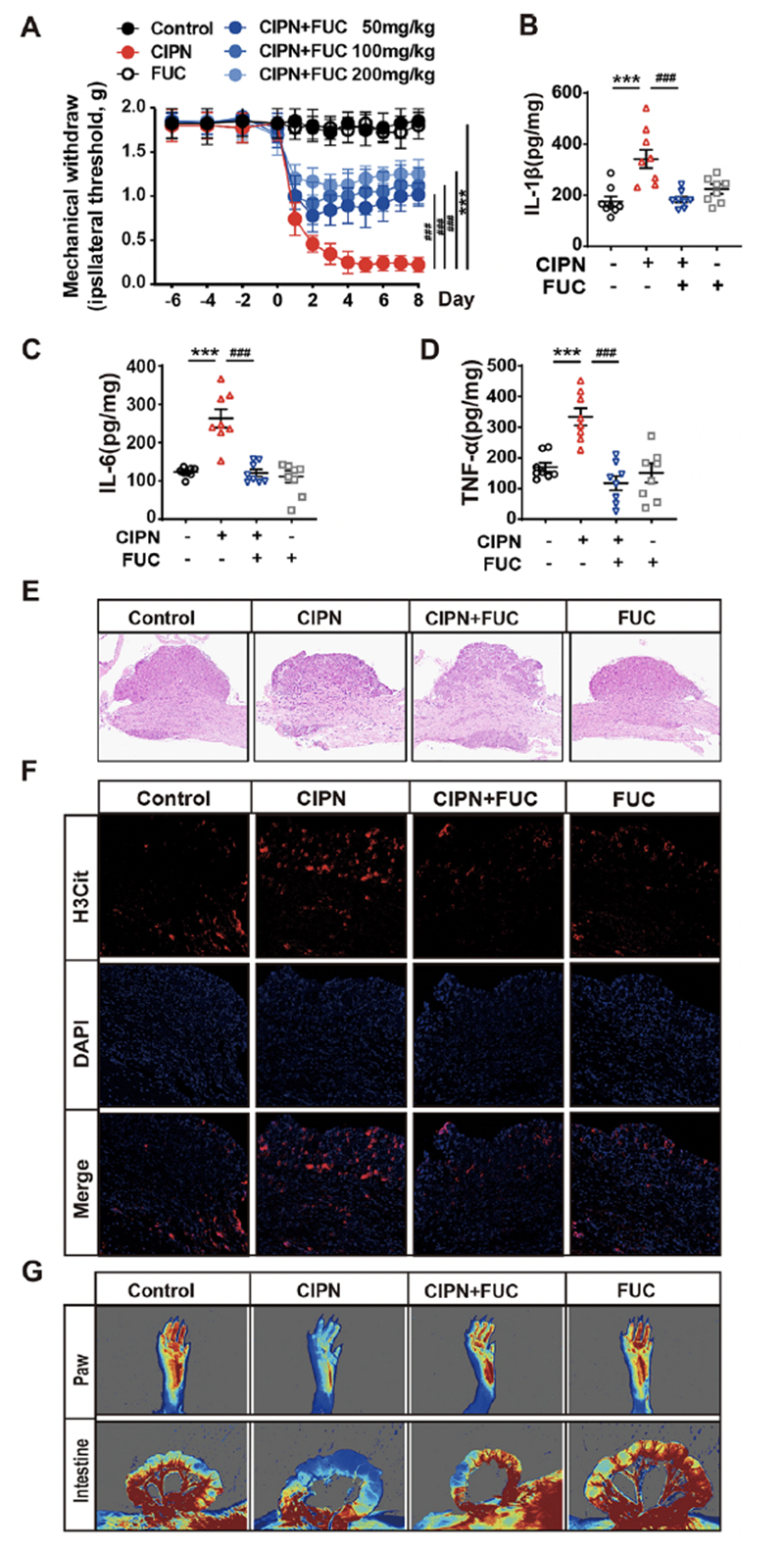
It can effectively inhibit the excessive secretion of pro-inflammatory factors such as IL-1β, IL-6, and TNF-α, blocking the cascade of inflammation; it can also significantly reduce the accumulation of NETs (neuroglobulins), while activating the phagocytic clearance capacity of macrophages to efficiently clear inflammatory debris and damaged cells, actively initiating the inflammation resolution process; furthermore, it can improve the microcirculation of nerve tissue, alleviating ischemia and hypoxia. From multiple dimensions—inhibiting inflammation, clearing inflammatory substances, and repairing the microenvironment—it precisely relieves nerve edema and abnormal pain, gently and effectively improving mechanical pain and cold sensitivity caused by chemotherapy.
Unlike ordinary anti-inflammatory substances that only "passively suppress" inflammation, fucoidan actively activates the body's own inflammation-reducing mechanism, precisely targets the core neuroinflammatory pathway, does not damage normal immune defense, and gently and safely solves the problem of prolonged inflammation from the root.
Fucoidan stands out due to its unique core advantages
● Precise Targeting, Addressing the Root Cause: Specifically targets the core pathogenesis of chemotherapy-induced neuropathic pain, regulating neuroinflammation through the Gas6/MerTK-SOCS pathway. It blocks the vicious cycle of inflammation at its source, providing not temporary pain relief but truly reducing inflammation and protecting nerves.
● Natural and Safe, Suitable for Chemotherapy Patients: Derived from marine brown algae, this natural active polysaccharide boasts high biocompatibility and avoids the liver and kidney damage, immunosuppression, and other side effects associated with Western anti-inflammatory drugs. It is suitable for long-term adjuvant therapy and does not interfere with the normal progress of chemotherapy.
● Multiple Synergistic Repairs: It possesses multiple functions including potent anti-inflammatory effects, clearing inflammatory residues, improving microcirculation, and protecting nerves, providing one-stop relief for various neurological discomforts such as numbness, tingling, and cold sensitivity.
● Stable and Long-Lasting Effects: Compared to similar polysaccharides, fucoidan has a more stable anti-inflammatory and repairing effect. It provides short-term pain relief, and long-term use can continuously inhibit chronic neurological inflammation, reducing the risk of prolonged and recurrent neuropathic diseases.
● The mechanism is clear and the scientific research support is solid: a large number of animal experiments and mechanism studies have confirmed its neuro-inflammatory, analgesic and repair effects, the pathway of action is clear, and the efficacy is supported by authoritative scientific research data.
In summary, chemotherapy-induced peripheral neuropathy is essentially chronic nerve damage caused by the failure of the inflammatory resolution mechanism. Fucoidan, with its unique advantages of activating endogenous anti-inflammatory pathways, actively resolving neuroinflammation, and being naturally safe and burden-free, has become an ideal natural nutritional choice for chemotherapy patients to relieve nerve numbness and pain and protect nerve function. It has also opened up a new direction for clinical adjuvant intervention of chemotherapy-related neurological complications.